Caring for the Elderly in our community
Sr. Laurentia Mkamaya (Hedwiga)
Sr. Veronica Mlai, SSJ
Sr. Lucy Mkamburi
Sr. Marieta Mkawughanga
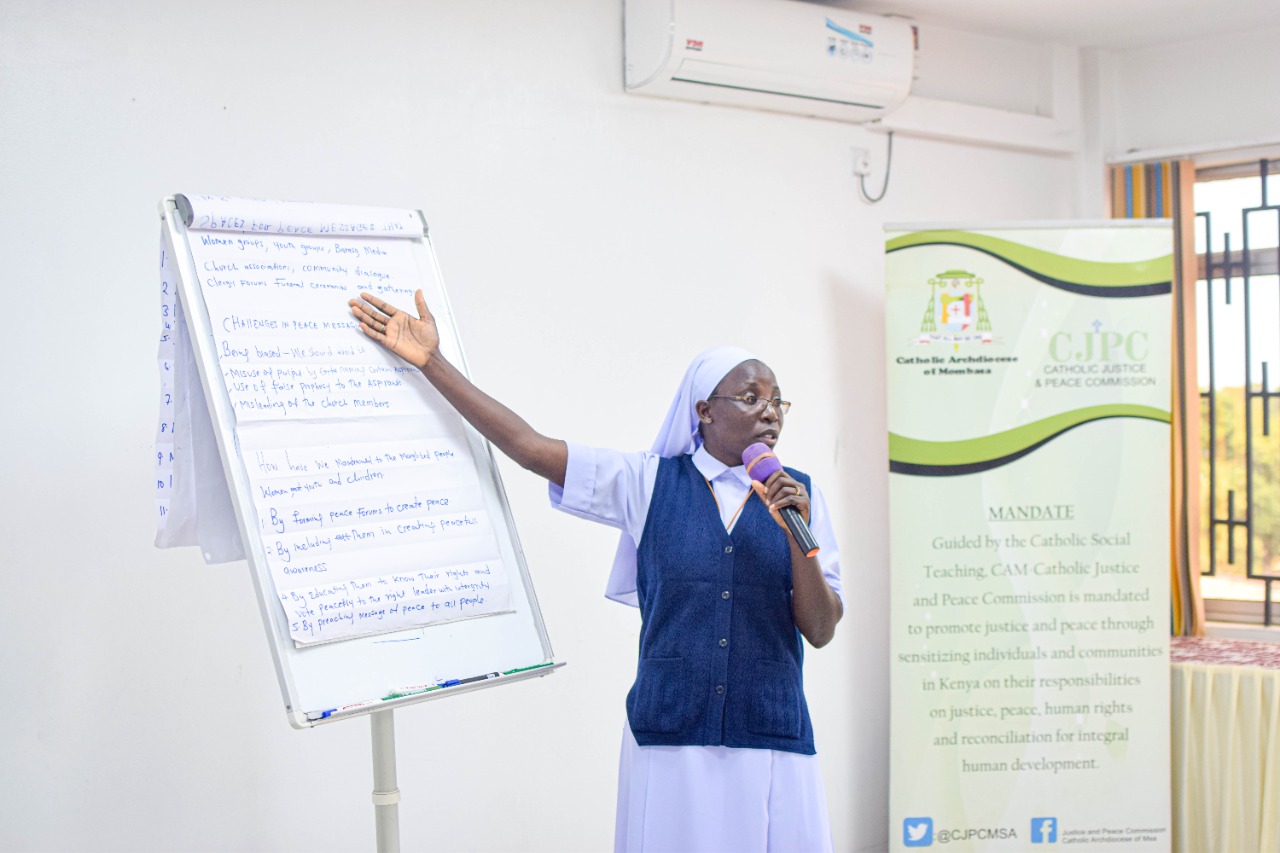
For the Sisters to be able to reach out to the people of God and to offer the services needed, they need to be integrally formed themselves. This is why we ensure we continuously build the capacity of the Sisters to effectively minister in whatever capacity the Congregations deems appropriate.
We also build the capacity of those with whom we work by providing seminars and workshops to increase their ability to offer high quality services. Thus teachers in our schools, health workers in our health facilities, and community health partners receive regular training.
We are grateful to all our supporters who make it possible for us to offer the much needed services and to reach out to the most vulnerable of our society - women, children, youth, the poor, the sick, prisoners and even street families.
SOCIAL AND ECONOMIC DEVELOPMENT
In order to uplift our people, we engage in different development projects like agriculture. In some of the places in which we live, people mostly use crude methods of cultivating or keeping of animal. When we created communities in theses areas, most of the people can now till their land or keep their animals which enable them get enough produce for their family and even some surplus for sell. We too get enough to eat and even sell to those who have no farms or animals in this way we uplift their standard of living and also create jobs for many.
HISTORY OF ST JOSEPH CHILDREN’S HOME
The Holy Ghost Missionaries came to Bura in 1882 from France. As soon as they arrived, they started helping people in different ways; they taught religion, treated the sick and started orphanage for boys. These boys were taught different skills especially masonry and carpentry.
In 1909, Precious Blood Sisters came to Bura to help the priests in the work of evangelization. In the course of their work they opened a girl’s school, build a dispensary and other departments such as Home Science and orphanage for girls. The orphans who were admitted were infants. The first orphan to be admitted was premature, whose mother had died in child birth. The girls who were big enough were taught sewing, cooking, laundry, and house wifery as well as child care. These girls stayed in the orphanage till they were ready to marry or join sisterhood.
In 1928, Kenyan girls came to Bura to join sisterhood and they were taught the work of caring for the orphans. These Kenyan girls became the first sisters of the congregation of the Sisters of St. Joseph. After some time the sisters of St. Joseph became independent and took over the orphanage and combined the girls and boys to form the present St. Joseph Children’s Home.
Currently we admit children orphaned during childbirth, those taken from streets as well as children from broken marriages. We also admit girls who run away from early marriages. These girls are taken to school.
We sisters of St. Joseph are happy to continue with the work started by early missionaries. We admit children not only from the locality but also from different parts of the country for example Kisumu, Kiambu, Kwale, Machakos, Kilifi, etc. Some of these children stay in the home until they are adults and can take care of themselves. Others are taken in by relatives while others are given for adoption. Presently, we have 26 children aged between 8 months and 16 years. We have 16 boys and 10 girls.
The following are some of the successes we have had since the home was started
- Through the home, the Sisters helped in the formation of many children who have gone on to become responsible citizens.
- Some of the children raised up here started families of their own and we have witnessed the fruits of priests and sisters from parents whom we brought up. It is a great joy for the Sisters to see the glory of God in the lives of the people they so carefully nurtured.
- Some of those raised up by Sisters hold prominent positions in the society and are themselves role models for many young people
- We have promising children in Primary and Secondary Schools and also in vocational training
Some of the problems faced by the management are as follows:
SSJ MOMBASA WISH LIST
1There is need to accommodate more children but we are currently unable to do so due to: Lack of Space (small house) Shortage of water storage tanks Limited funds Transportation challenges
2The children also need learning material eg school uniforms, text books, audio visual learning aids
3We need land to cultivate and grow food that will be consumed y the children to ensure sustainability of the project
AWe struggle to offer adequate and well balanced food for the children as well as to pay wages for those workers helping us with the children
Your charitable donation towards our children in the home will be highly appreciated.
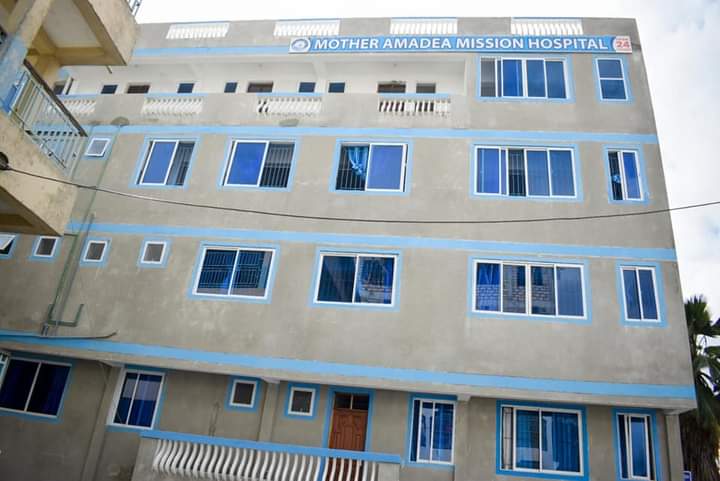
We currently operate 14 dispensaries/Health Centres and we engage ourselves with the present pandemic of HIV/Aids, Malaria and Measles.
The congregation relies on Sisters trained personnel for these activities and we still need to train more
List of Health Centres
Shelter of Hope - Voi - HIV/AIDS
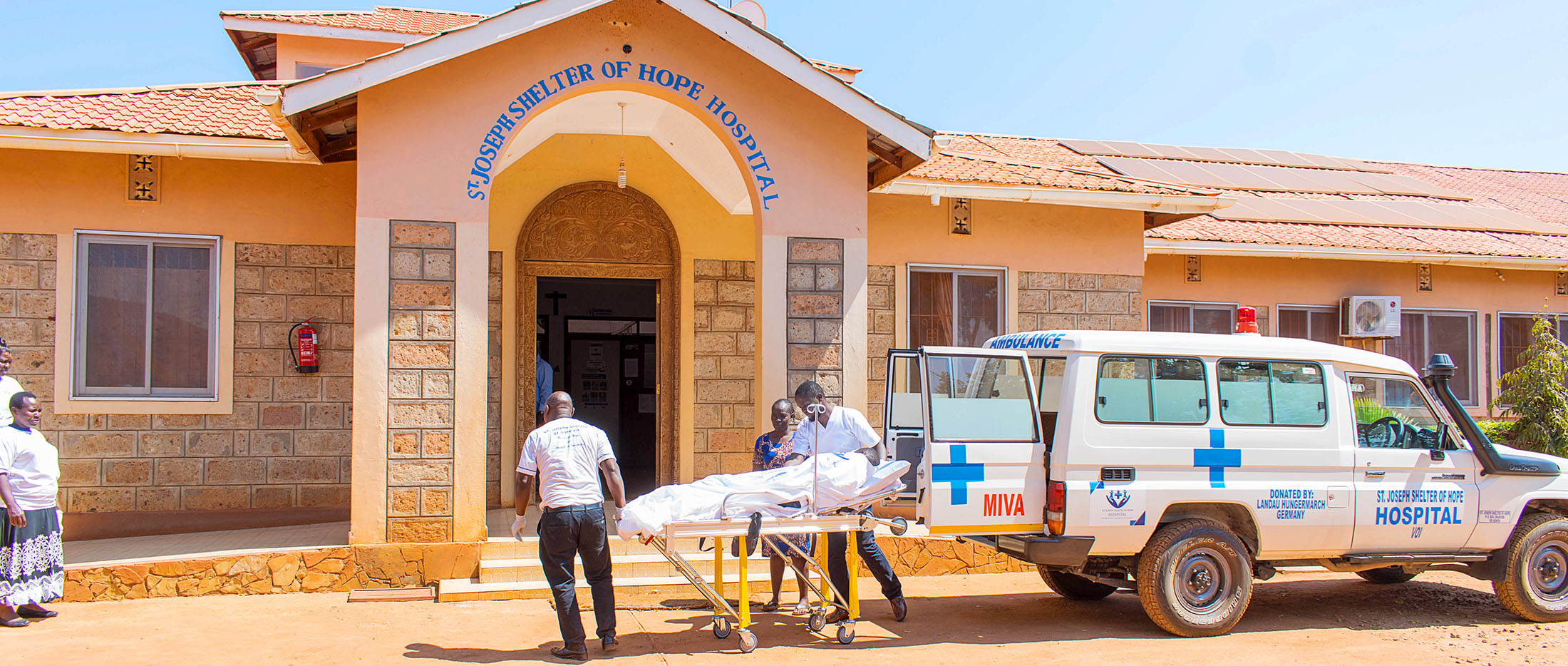
Situated in Voi town, St. Joseph Shelter of Hope is an outreach program that caters for the health needs of the community's HIV/AIDS affected people.
Under the leadership of Sr. Genovefa Mashao, the Shelter of Hope has grown over the years and offers home based care to victims of AIDS as well as nutrition and consultation services to the community.
The following are the health facilities managed by the Sisters of St. Joseph
- St. Joseph Hospital, Nairobi County
- St. Joseph Shelter of Hope Hospital, Voi (Taita County)
- Mother Amadea Health Centre - Mikindani (Mombasa County)
- St. Theresa Health centre, Chonyi (Kilifi County)
- St. Joseph Health Centre, Lungalunga (Kwale County)
- St Teresa Dispensary - Mivumoni (Kwale County)
- Mtwapa Health Centre - Mombasa County
- Kichaka Simba Dispensary - Shimba Hills (Kwale County)
- Community Based Health Care Programme (CBHC - HIV/AIDS) - Mombasa
- St Joseph Church - Dispensary - Ukunda
- Taveta Dispensary
- Bura Dispensary
- Thatha Dispensary
- St. Camillus Village Dispensary, Watamu
- Camillians in Solidarity with the Needy
- St. Camillus Village, Watamu
On the occasion to commemorate 400 years since the death of St. Camillus, the Father and Founder of the Camillian Religious Order, The Roman Province of the Camillians, in conjunction with all other provinces of the Order initiated a number of projects in honor of the works of the Camillians spanning over 4 centuries.
Fr. Giovanni Aquaro (RIP) was then entrusted with the coordination of the Provincial Committee, and it is in this capacity that he helped build the health facility adjacent to the Br. Dominic Nursery and Primary Schools, in Watamu, near Malindi in Kenya. The health facility has been built in honor of the Servant of God, Nicola D’Onofrio, a young Camilian student whose canonization process is underway.
Camillian Fathers have a solid collaboration with JAMBO WATOTO, an Association that has been in operation in Malindi since «November 23, 2009» in response to the wish of a group of friends who decided to come together to give a future to the children of the district of Watamu. .
The group wanted to assist the hardship hit children, offering them a growth opportunity through the provision of education, medical care and ability to grow a career in life. We thank all who generously contributed to this honorable initiative through Fr. Giovanni Aquaro, former Head Chaplain at the San Giovanni Hospital at the Lateran in Rome. Fr. Giovanni passed on to be with the Lord in early 2017. May his soul rest in eternal peace, Amen
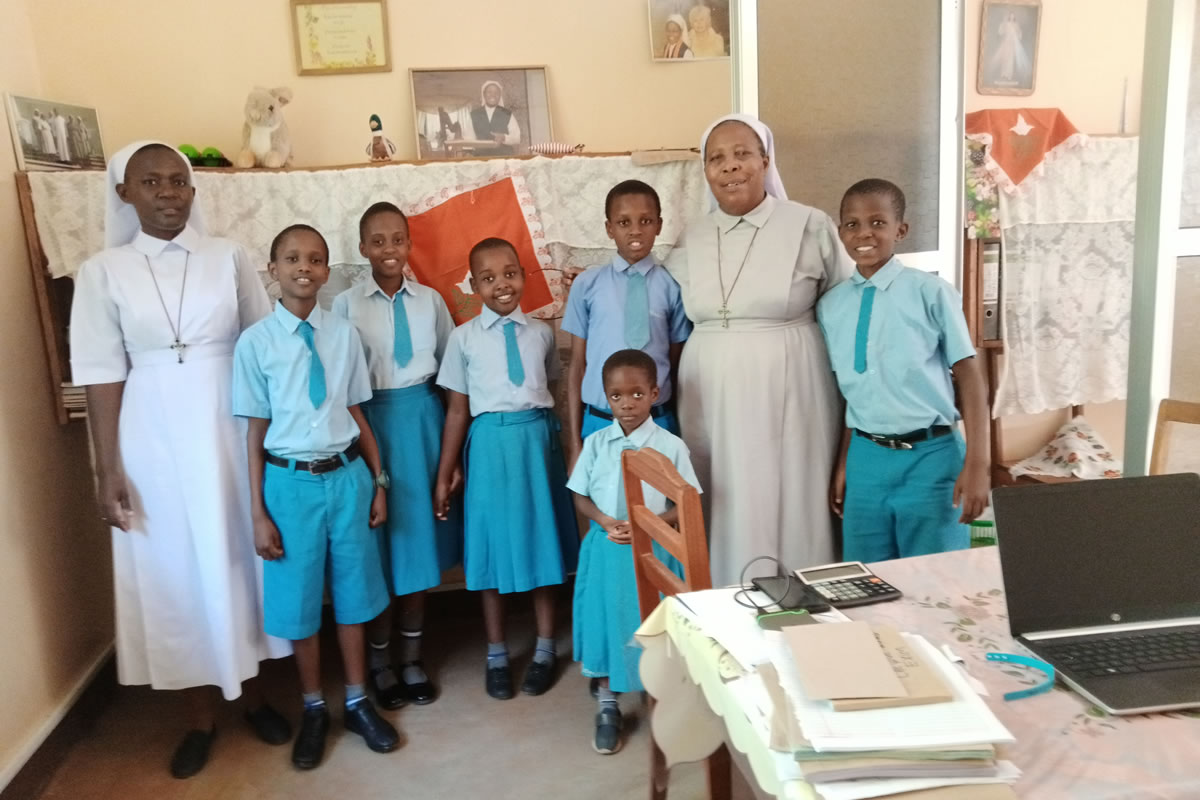
At SSJ Mombasa, we have a long, rich history in supporting education as part of our apostolate. Currently, several Catholic schools and colleges are part of our Mission Network: